

Welcome to our deep dive into the architectural wonders of Indonesia. For those of you who follow “interiorbali“, you know that we are obsessed with how traditional craftsmanship meets modern living. Today, we are traveling away from the island of the gods to explore the majestic lands of Sumatra. A very common question among history buffs and architects is regarding the specific roots of certain structures, particularly asking which province the famous rumah adat selaso jatuh kembar berasal dari daerah belongs to. The answer lies in the heart of the Malay culture in Riau Province.
As we move through 2026, there is a massive trend in “Neo-Vernacular” design. This means modern buildings are now looking back at ancient wisdom to solve today’s problems like heat and humidity. This traditional house from Riau is a masterclass in tropical engineering. It isn’t just a house, it is a statement of social status and spiritual alignment. Let’s look at why this building is still winning awards for design inspiration today.
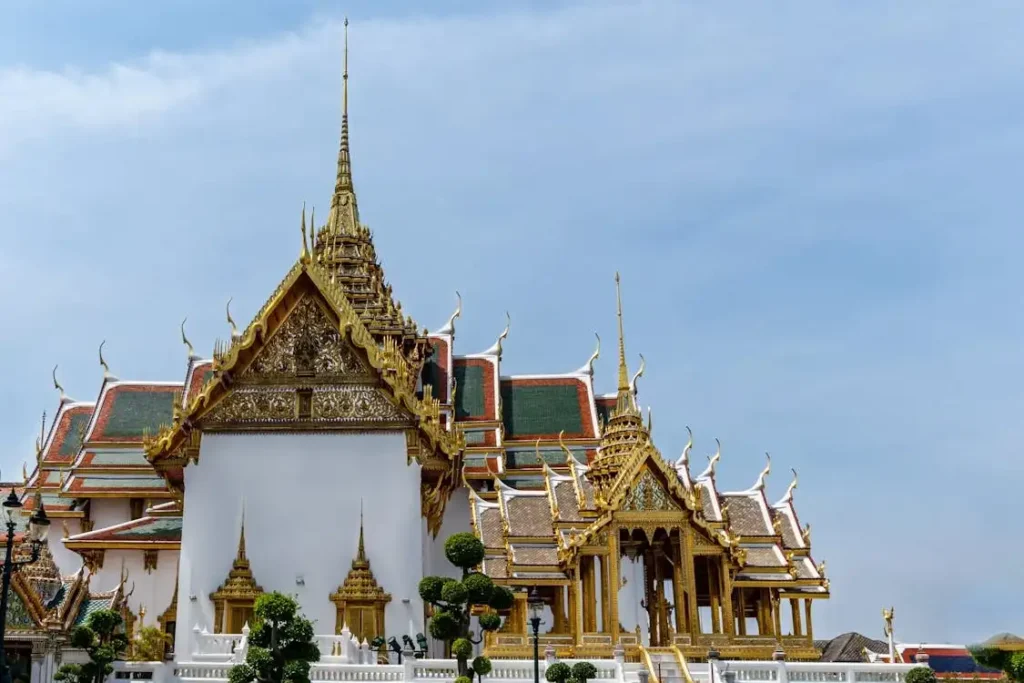
Exploring the History of Rumah Adat Selaso Jatuh Kembar Berasal Dari Daerah Riau
Historically, this building stands as the ultimate icon of the Riau Malay people. Unlike many other traditional houses in Indonesia that serve as primary residences for large families, this specific structure was designed for the community. In the past, it was rarely used as a private home. Instead, it functioned as a “Balai Salaso Jatuh,” a grand hall where elders and community leaders met to discuss laws, weddings, and local celebrations.
The name itself tells a story. “Selaso” means terrace or veranda, “Jatuh” means to fall or go down, and “Kembar” means twin. This refers to the unique design where the floor of the veranda is lower than the main floor in the center, and there are two identical verandas on each side. This physical difference in height wasn’t just for looks, it represented the hierarchy of the people sitting inside during a meeting. The higher floor was for the elders, while the lower floor was for the general public.
In 2026, we see a huge resurgence of this style in Riau’s government buildings. Architects are realizing that the “stilt” design is perfect for preventing floods and allowing natural cooling. Even though we have 3D printing and steel today, the soul of the rumah adat selaso jatuh kembar berasal dari daerah Riau remains rooted in its wooden origins. It reminds us that luxury isn’t always about marble, sometimes it’s about the flow of air and the height of the ceiling.
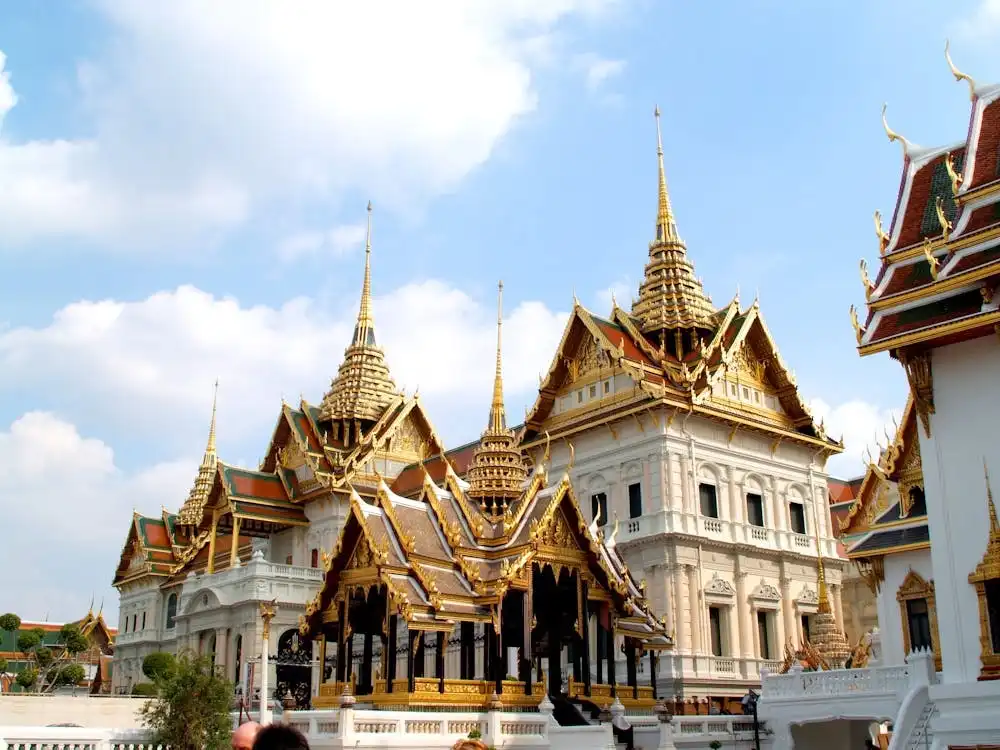
Technical Details and Building Material of Rumah Adat Selaso Jatuh Kembar Berasal Dari Daerah Riau
The longevity of these houses is quite legendary. Because Riau is home to dense tropical rainforests, the ancestors had access to some of the strongest timber in the world. They primarily used “Kayu Kulim” or “Kayu Resak,” which are woods so hard they can actually dull a modern saw blade. These woods are naturally resistant to termites and rot, which is essential in a humid climate where rain falls almost every day.
The roof is perhaps the most striking feature. It is tall, steep, and pointed, designed to let rainwater slide off instantly. At the very top, you will find a decorative wooden cross called “Tunjuk Langit.” This isn’t just decoration, it is a spiritual symbol pointing toward the heavens, reminding everyone that while they are on earth, their actions are seen from above. In the old days, the roof was made of sago palm leaves or fibers, which kept the interior incredibly cool even during the peak of summer.
Instead of a table, here are the key technical points of the structure:
- The Foundation Pillars: Usually an even number of pillars, often 24 or 36, depending on the size of the hall. These pillars sit on stone bases so the wood never touches the damp earth.
- The Wall Panels: Made of high-quality planks arranged vertically, often featuring “Selembayung” carvings that act as both art and a way to stiffen the structure.
- The Cross Ventilation: The house features “Lubang Angin” or air holes above the windows. This creates a natural vacuum effect that pulls hot air out and brings cool air in from the bottom.
- The Elevated Floor: Typically raised 1 to 2 meters off the ground. This space underneath, called the “Kolong,” was used to store boats or farming tools, especially for those living near the Siak River.
- The Stairs: The entrance always has an odd number of steps, which is a local belief for bringing good luck and balance to the visitors entering the hall.
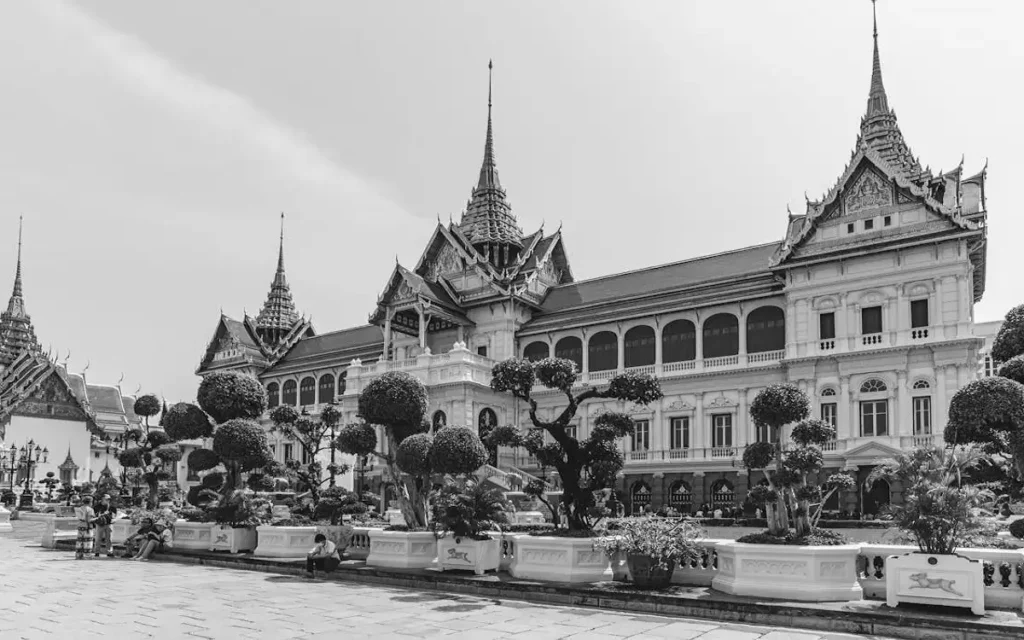
The Philosophy of Ornaments and Interior Carvings
If you look closely at the walls, you won’t find many plain surfaces. The Malay people of Riau love to tell stories through wood. One of the most famous motifs is “Itik Sekawan” or “Rumah Adat Selaso Jatuh Kembar Berasal Dari Daerah” the huddling ducks. This motif shows a line of ducks following each other, symbolizing harmony, loyalty, and the importance of following a good leader. It is a beautiful reminder that a community is only as strong as its unity.
Another important motif is the “Lebah Bergantung” (hanging bees). Usually found under the eaves of the roof, it represents the nature of a bee: it only takes the good (nectar) and gives back the best (honey), without ever breaking the branch it sits on. This is a life philosophy for the Riau people. In modern 2026 interior design, we are seeing these patterns being used on wallpaper and laser-cut metal screens to give a “Malaysian-Indonesian” chic vibe to luxury apartments.
Learning about why the rumah adat selaso jatuh kembar berasal dari daerah Riau was built this way helps us realize that our ancestors were basically the first “green” architects. They didn’t need electricity for lights because they used massive windows, and they didn’t need fans because the wind did the work for them. It’s a very humbling thought for us living in the high-tech era.
Social and Religious Roles in the Modern Era – Rumah Adat Selaso Jatuh Kembar Berasal Dari Daerah
As a community hall, the Selaso Jatuh Kembar was the heart of democracy. Every decision, from when to plant rice to how to settle a local dispute, was made within these wooden walls. The “Musyawarah” (deliberation) process is a core value of Indonesian culture, and this house provided the perfect stage for it. It ensured that no one person held all the power, and every voice was heard.
Religion also plays a huge role in the design. Because the Riau Malay culture is deeply intertwined with Islamic values, the layout of the house often respects privacy and modesty. There are separate areas for men and women during gatherings, and the main entrance often faces toward the Qibla or is aligned with the sun to maximize natural prayer times. It is a house built on faith as much as it is built on wood.
Even now in 2026, the Riau government makes sure that every new public park or office building incorporates the “Selembayung” (the horn-like roof ornament) from this traditional house. It keeps the identity alive. For the people of Riau, seeing those twin verandas is a source of immense pride. It reminds them of a time when life was simpler, but the values were much deeper.
Conclusion and Final Thoughts
In summary, the Selaso Jatuh Kembar is much more than just a beautiful building. It is a living record of the Malay people’s intelligence, their respect for nature, and their commitment to community. We have seen that the rumah adat selaso jatuh kembar berasal dari daerah Riau offers endless inspiration for modern sustainable architecture and interior design.
Whether you are an architect looking for structural ideas or a homeowner wanting to add a touch of Indonesian heritage to your space, there is so much to learn from this Riau masterpiece. It stands as a bridge between the past and the future, proving that good design truly never goes out of style.
For Regular Update Visit Interior Bali


