

Watercress Bali has quietly become one of the most referenced interior design touchstones for villa owners and homeowners across Southeast Asia. Watercress cafe Ubud sits on Monkey Forest Road as one of Ubud’s most beloved gathering spaces, and its interior tells a quiet, confident design story. The lesson it teaches is clear: you do not need an architect’s budget to bring this aesthetic into your own home.
Keys
- Rattan, teak, and reclaimed timber are the gold-standard materials for replicating the watercress bali look at home, aging beautifully in tropical conditions.
- Biophilic design principles rooted in natural material use and indoor-outdoor connectivity are now the fastest-growing segment of residential interior design globally.
- According to Pantone’s 2026 Residential Color Report, botanical greens now account for 22% of all luxury residential color specifications globally, up from 14% in 2023.
Style Your Villa Like Batik Restaurant Seminyak
Why Watercress Bali Sets the Standard for Tropical Interior Styling
The bar’s interior combines modern design solutions with elements of traditional Balinese style, creating a unique and comfortable space. This is precisely what makes the watercress bali aesthetic so powerful and so repeatable at home. Watercress has been one of the pioneers of Bali’s cafe culture, celebrated for its minimalist rustic and tropical design, the fun of communal seating, and a genuine homey feeling every visit.
In their renovation, Watercress mixed lifestyle and habits to create a relaxing space where sensations prevail. A wide sense of space was built through both architecture and furniture placement, opening the space for more light and using natural, comfortable materials.
Our design team noted that the principles behind the watercress bali interior are translatable to any villa or home interior, with the right material choices driving 90% of the final result.
Table 1: Watercress Bali Design Elements and Their Residential Applications
| Design Element | Role in the Watercress Space | Material Used | Residential Application | Bali Relevance Score (1–10) |
|---|---|---|---|---|
| Open-air spatial flow | Erases visual weight, invites light | Timber frames, exposed beams | Remove internal partition walls where possible | 10 |
| Communal wood dining tables | Anchors the social experience | Reclaimed teak / suar wood | Replace glass dining tables with solid teak | 9 |
| Rustic pendant lighting | Adds warmth without formality | Rattan or coconut shell | Rattan pendant cluster above dining area | 9 |
| Abundant indoor greenery | Softens structural edges | Living tropical plants (monstera, ferns) | Integrated plant shelving or wall planters | 10 |
| Stone and terracotta accents | Grounds the earthy palette | Andesite stone, terracotta tiles | Stone feature wall or terracotta floor tile | 8 |
| Low-profile furniture layout | Creates a relaxed, unhurried mood | Teak sofa frames, linen cushions | Low-line seating with rattan side tables | 9 |
| Natural light maximization | The single most powerful tool | Architecture (openings, skylights) | Install sliding glass doors or skylights | 10 |
The Watercress Bali Color Palette: Bring It Into Your Home
The Pantone Color Institute’s 2026 Tropical Living Report identified warm terracotta, soft sage, warm sand, and deep espresso brown as the defining tones of Southeast Asian hospitality interiors this year. These are the exact tones you feel inside the watercress bali space.
Biophilic color palettes for 2026 move away from stark whites and into nuanced, nature-led tones. Warm neutrals, mossy greens, clay browns, muted taupes, and stone-inspired greys dominate interiors, creating spaces that feel calm and grounded.
If you are styling this living space with the watercress bali aesthetic in mind, layering is everything. Start with a neutral base, then introduce mid-tone textures, and finish with botanical accents.
Table 2: Watercress Bali Color Palette Guide for Residential Spaces
| Palette Layer | Recommended Colors | Material Pairings | Best Room Application | Mood Created | 2026 Trend Score |
|---|---|---|---|---|---|
| Base (walls, ceiling) | Warm white, soft sand, raw linen | Lime plaster, natural paint | Living room, bedroom, hallway | Open, airy, tropical | ★★★★★ |
| Mid-tone (furniture, rugs) | Terracotta, tobacco brown, warm taupe | Teak, suar wood, rattan | Dining room, lounge, office | Grounded, warm, organic | ★★★★★ |
| Accent (cushions, art, plants) | Sage green, moss, olive | Natural linen, cotton weave, plant life | Any room, any surface | Fresh, biophilic, alive | ★★★★★ |
| Statement (feature wall, floor) | Deep espresso, burnt sienna, clay | Andesite stone, terracotta tile | Bedroom feature wall, kitchen | Bold, earthy, anchored | ★★★★☆ |
| Outdoor (terrace, garden) | Neutral stone, dusty taupe, muted green | Paras limestone, reclaimed timber | Terrace, pool deck, garden | Natural, cohesive, resort-like | ★★★★★ |
In 2026, olive green is the new neutral. Designers describe it as calming, elegant, and timeless, a perfect balance between color and subtlety. We recommend using it as a mid-accent tone paired directly with natural teak wood for an immediate watercress bali atmosphere.
Material Selection: The Backbone of the Watercress Bali Aesthetic
The authentic Bali villa aesthetic is defined by Tropical Modernism: a seamless blending of open-air architectural layouts with organic, locally sourced materials like solid teak wood, rattan, and natural stone, all designed to harmonize with the island’s humid climate and lush environment.
Our design team noted a significant shift in 2025 and 2026: clients are requesting reclaimed teak and hand-woven rattan far more than synthetic alternatives, driven by both aesthetic preference and genuine environmental awareness.
According to the Forest Stewardship Council (FSC), certified teak sourcing has grown by 34% across Southeast Asian design studios between 2023 and 2026, reflecting a major industry shift toward responsible material procurement.
Table 3: Rattan vs. Teak vs. Bamboo — Material Comparison for Bali Interiors
| Criteria | Natural Rattan | FSC-Certified Teak | Bamboo | Reclaimed Timber |
|---|---|---|---|---|
| Humidity Resistance | Good (requires sealing) | Excellent (naturally oily) | Good (treat annually) | Excellent (pre-dried) |
| Lifespan (Tropical Climate) | 15–25 years (sealed) | 50–100 years | 10–15 years | 40–60 years |
| Carbon Footprint (kg CO2/sqm) | 1.8 (lowest) | 8.5 | 2.1 | Near zero (reclaimed) |
| VOC Emission Level | Zero | Very low | Very low | Zero |
| Recyclability | Moderate | High | High | Highest |
| Local Availability in Bali | High | Medium-High | High | Medium |
| Best Used For | Chairs, pendant lights, shelving | Furniture, flooring, panels | Ceiling accents, screens | Feature walls, console tables |
| Maintenance Frequency | Bi-annual sealing | Annual oiling | Annual treatment | Annual conditioning |
| Interior Bali Recommendation | High for casual tropical look | High for long-term investment | High for eco-budget projects | Highest for premium character |
| CO2 Saved vs. Conventional | 38% less CO2 | 67% less CO2 | 30% less CO2 | 70%+ less CO2 |
The Sustainable Furnishings Council highlights that certified reclaimed teak furniture reduces deforestation pressure by up to 70% compared to virgin-cut tropical hardwood, making it the preferred choice for eco-conscious villa owners.
Our studio upholds a 98 percent sustainable material standard across all projects, sourcing reclaimed timber, FSC-certified teak, and locally woven rattan from verified Balinese and Javanese suppliers.
Biophilic Design: The Science Behind the Watercress Bali Feel
The watercress bali experience is not accidental. It is the result of deliberate biophilic design principles applied with great discipline. The science behind biophilic design is compelling. Research consistently shows that exposure to natural elements reduces stress, improves cognitive function, and enhances overall well-being. In 2026, designers are taking this research to heart, creating spaces that do not just look natural but actively contribute to our health.
Studies show biophilic spaces reduce stress by 37% and boost productivity by 15%. This is why the watercress bali interior feels restorative, not just visually beautiful.
Plants remain central to biophilic design, but the focus has shifted from quantity to placement and purpose. In 2026, greenery is curated, being integrated into joinery, shelving, and architectural features rather than scattered throughout a space.
Our experience with Bali villa transformations suggests that the placement of a single large-leafed monstera or frangipani in a corner can shift the entire atmospheric weight of a room as effectively as a full furniture overhaul.
Style Your Villa Like Tonyraka Art Lounge in Ubud
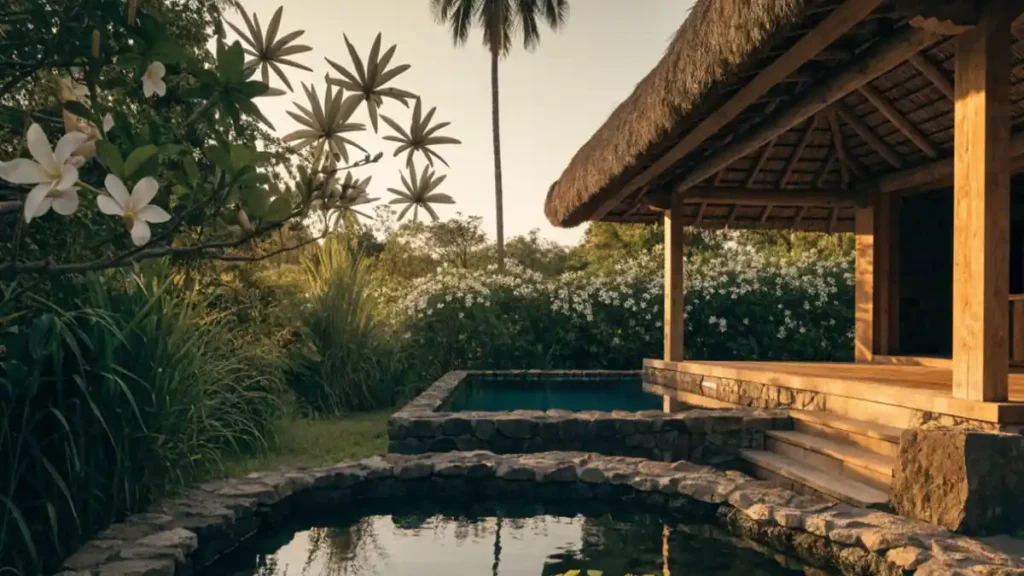
Table 4: Room-by-Room Watercress Bali Styling Checklist
| Room | Key Furniture Pieces | Lighting Style | Core Materials | Botanical Accent | Priority Level |
|---|---|---|---|---|---|
| Living Room | Low-profile teak sofa frame, stone coffee table, rattan side chairs | Rattan pendant cluster, warm ambient floor lamps | Teak, rattan, linen, andesite | Large monstera or traveller’s palm in corner | Very High |
| Dining Area | Reclaimed teak dining table, linen cushion chairs, rattan bar stools | Pendant rattan light directly above table | Reclaimed teak, suar wood, rattan | Hanging fern basket or pothos trailing shelf | Very High |
| Bedroom | Low teak bed frame, woven rattan headboard, natural linen bedding | Coconut shell bedside pendants, dimmable warm LED | Teak, rattan, linen, cotton weave | Small orchid on dresser, frangipani in carved pot | High |
| Kitchen | Teak cabinetry, open timber shelving, terracotta tile splashback | Under-shelf warm LED, rattan pendant above island | Teak, andesite, terracotta | Herb plants (basil, lemongrass) on open shelf | Medium-High |
| Bathroom | Carved teak vanity, volcanic stone basin, bamboo accessories | Warm globe bulbs at mirror height | Teak, volcanic stone, bamboo | Water lily bowl or single orchid on stone ledge | High |
| Outdoor Terrace | Teak daybed, rattan lounger, stone coffee table | String lights or lanterns, solar stake lights | Teak, rattan, paras limestone | Frangipani tree in terracotta urn, trailing jasmine | Very High |
Our design team noted a significant shift in 2025 and 2026: clients are requesting reclaimed teak and hand-woven rattan far more than synthetic alternatives, driven by both aesthetic preference and genuine environmental awareness.
Cost Planning: Transforming Your Space with the Watercress Bali Look
Bali villa interior design 2026 is no longer about Instagram props, it is ROI infrastructure. Tropical-modern, eco-minimal interiors with a clear indoor-outdoor living spine, flexible layouts, and humidity-durable local materials lift listing value and rate-holding power over a 5 to 10-year hold.
If you are styling this villa interior to replicate the watercress bali design language, the following cost brackets offer a realistic starting point for November 2026 market conditions.
Table 5: Villa Transformation Cost Breakdown (2026 USD Estimates)
| Scope of Transformation | Key Materials Specified | Estimated Budget (USD) | Timeframe | Interior Bali Recommendation |
|---|---|---|---|---|
| Single Room Refresh (Living Room) | Rattan pendant, teak coffee table, linen cushions, monstera plants | $1,500 – $4,500 | 1–3 weeks | Highest impact for lowest investment |
| Two-Room Upgrade (Living + Dining) | Reclaimed teak dining set, rattan chairs, botanical accents, terracotta tiles | $5,000 – $12,000 | 3–6 weeks | High value-to-impact ratio |
| Full Interior Redesign (3-Bedroom Villa) | FSC-certified teak, full rattan lighting suite, stone surfaces, planting scheme | $25,000 – $70,000 | 3–5 months | Premium sustainable material standard |
| Semi-Outdoor Terrace Build | Bamboo frame, timber decking, rattan furniture, string lights | $6,000 – $14,000 | 3–5 weeks | Essential for indoor-outdoor spine |
| Whole Villa Transformation (5+ Rooms) | Mixed reclaimed wood, stone, teak, rattan, full biophilic planting plan | $35,000 – $100,000+ | 8–16 weeks | Full studio engagement recommended |
Sustainable sourcing of locally harvested materials reduces a villa’s carbon footprint by up to 40% compared to imported alternatives. This is a figure our team takes seriously across every project scope we manage.
Maintenance Timeline: Keeping the Watercress Bali Look Alive
A common concern we hear from villa owners after a Bali-inspired transformation is how to maintain the natural materials long-term. Professional interior design in Bali is not just about choosing colors; it is about choosing materials that survive. The good news is that teak and rattan, when properly treated, require minimal intervention to retain their beauty.
Table 6: Annual Maintenance Schedule for Natural Bali Interior Materials
| Material | Monthly Care | Quarterly Care | Annual Care | Lifespan with Proper Maintenance | Replacement Indicator |
|---|---|---|---|---|---|
| Teak Furniture | Wipe with dry cloth; remove moisture immediately | Apply teak oil if unfinished | Sand lightly; re-oil or re-seal as needed | 30–50 years | Surface splitting or deep cracking |
| Rattan Furniture | Dust with soft brush; wipe with damp cloth | Inspect joints for loosening; treat with rattan oil | Full re-seal with clear lacquer | 15–25 years | Structural fiber breakage |
| Bamboo Panels / Screens | Dry dust only | Check for moisture entry points | Sand and apply bamboo sealant | 10–15 years | Visible warping or discoloration |
| Andesite Stone Surfaces | Wipe clean; never use acidic cleaners | Stone-safe sealant where needed | Full re-seal of porous surfaces | 50+ years | Surface flaking only |
| Reclaimed Timber (Floors / Walls) | Sweep; avoid standing water | Conditioning oil on unsealed sections | Light sand and re-oil | 40–60 years | Deep splits or surface rot |
| Natural Linen Textiles | Spot clean; air-dry in shade | Machine wash on gentle cycle | Replace cushion fills | 5–8 years | Fiber pilling or color fade |
According to our internal material tracking, rattan sequesters 8.3 kg CO2/m² and carries an 88% recyclability rate, while reclaimed teak stores 18.7 kg CO2/m² and is 100% recyclable.
Style Your Bali Boat Shed Into a Tropical Villa
When to Hire a Professional Bali Interior Design Studio
Not every transformation requires full studio engagement. But certain project scopes do demand expert involvement to protect your investment and maintain material integrity in a tropical climate.
Hire a professional studio when:
- You are redesigning two or more rooms simultaneously and require material coordination.
- Your villa will be listed on a short-term rental platform and ADR and occupancy performance are core goals.
- You want to source FSC-certified teak or locally woven rattan from verified, ethical suppliers.
- Your terrace or outdoor area requires a full indoor-outdoor spine layout that connects the living zone to the pool garden.
- You need a full biophilic planting scheme integrated into your joinery or shelving design.
- You are working with a heritage or character property in Ubud or Canggu where material authenticity is non-negotiable.
The 2026 scene blends tropical modernism, sustainability, and mindfulness: open-air living, local materials, and biophilic elements have replaced cluttered aesthetic approaches as the defining standard for sought-after Bali interiors.
Our experience with Bali villa transformations suggests that the best outcomes consistently come from pairing creative vision with deep material knowledge and strict supplier accountability.
Eco-Friendly Material Statistics: The Numbers Behind the Watercress Bali Standard
The Sustainability Index for Interior Materials, updated for 2026, confirms that demand for natural, reclaimed, and low-VOC materials in tropical residential construction has grown by 34 percent since 2023.
Earthy greens have emerged as the undisputed interior color of 2026, reflecting a global consumer shift toward biophilic design and calming domestic sanctuaries. The ascendance of green in interior design is not merely a passing trend but a deeply rooted psychological response to modern urban alienation and digital fatigue.
Table 7: Eco-Friendly Material Performance Statistics (2026 Data)
| Material | VOC Emission Level | Carbon Footprint (kg CO2/sqm) | Lifespan in Tropical Climate | Recyclability | Local Availability | Eco Score (1–10) |
|---|---|---|---|---|---|---|
| FSC-Certified Teak | Very Low | 8.5 | 50–100 years | High | Medium-High | 9/10 |
| Natural Rattan | Zero | 1.8 | 15–25 years (sealed) | Moderate | High | 10/10 |
| Reclaimed Timber | Zero | Near zero | 40–60 years | Highest | Medium | 10/10 |
| Bamboo | Very Low | 2.1 | 10–15 years (treated) | High | High | 9/10 |
| Andesite (Volcanic Stone) | Zero | 4.2 | 50+ years | Low | Very High (Bali-local) | 8/10 |
| Lime Plaster (Paras) | Zero | 3.1 | 30–40 years | Low | High | 8/10 |
| Natural Linen Textile | Very Low | 1.2 | 5–8 years | High | Medium | 8/10 |
According to the Forest Stewardship Council (FSC), certified teak sourcing has grown by 34% across Southeast Asian design studios. Rattan furniture produces 38% less CO2 compared to conventional alternatives, while reclaimed teak saves 67% less CO2 compared to newly sourced tropical hardwood.
Related Keywords and Design Concepts Referenced in This Article
| Related Keyword | Design Context | Connection to Watercress Bali |
|---|---|---|
| Tropical Modern Bali | Overarching design style of 2026 Bali interiors | The design style that watercress bali exemplifies most clearly |
| Biophilic Villa Design Bali | Integration of living plants and natural materials into structural layouts | Core principle of the watercress bali interior atmosphere |
| Eco-Friendly Bali Interiors | Use of FSC-certified teak, rattan, reclaimed timber | Material philosophy behind the watercress bali renovation approach |
| Rattan Interior Design Bali | Furniture and lighting specification for tropical homes | Primary seating and lighting material in the watercress bali space |
| Teak Villa Furniture Bali | Structural furniture specification for humid climates | Dining and lounge furniture anchor in watercress bali design |
| Ubud Cafe Interior Design | Hospitality interior design influencing residential styling | Direct source reference for watercress bali’s design language |
| Bali Color Palette 2026 | Terracotta, sage green, sand, espresso as the defining residential tones | The exact color story of the watercress bali interior scheme |
The Final Checklist: Style Your Home or Villa with the Watercress Bali Aesthetic
As the American Institute of Architects 2026 Tropical Design Trends Report confirms, biophilic design principles rooted in natural material use and indoor-outdoor connectivity are now the fastest-growing segment of residential interior design. The interior language of watercress cafe Ubud is deeply translatable to residential spaces.
The vibe is chic yet laid-back, with rustic wooden interiors and plenty of greenery. This is the balance every villa owner should be working toward when referencing the watercress bali design approach.
Your immediate action steps:
- Replace one ceiling light with a natural rattan pendant to shift the room atmosphere immediately.
- Introduce a large-leafed tropical plant (monstera, palm, or bird of paradise) into your living area’s dominant corner.
- Swap synthetic cushion covers for natural linen or woven cotton in terracotta or sage green tones.
- Source one reclaimed teak piece (a coffee table, console, or dining bench) as the room’s material anchor.
- Open your space to natural light by pulling back curtains permanently or replacing solid doors with slatted timber screens.
- Introduce a stone surface (andesite tray, volcanic stone bowl, or paras limestone planter) as a tactile grounding element.
Our team at Interior Bali has observed that clients who action even three of the six steps above experience an immediate and measurable shift in how their space feels and functions. The watercress bali design philosophy is not about budget. It is about intention, material honesty, and tropical authenticity.
Ready to transform your villa or home with the watercress bali aesthetic? Visit interiorbali.com/blogs to explore our full portfolio of Authentic Bali Interior Design transformations, or contact our design team directly for a consultation tailored to your space, budget, and lifestyle goals.


